
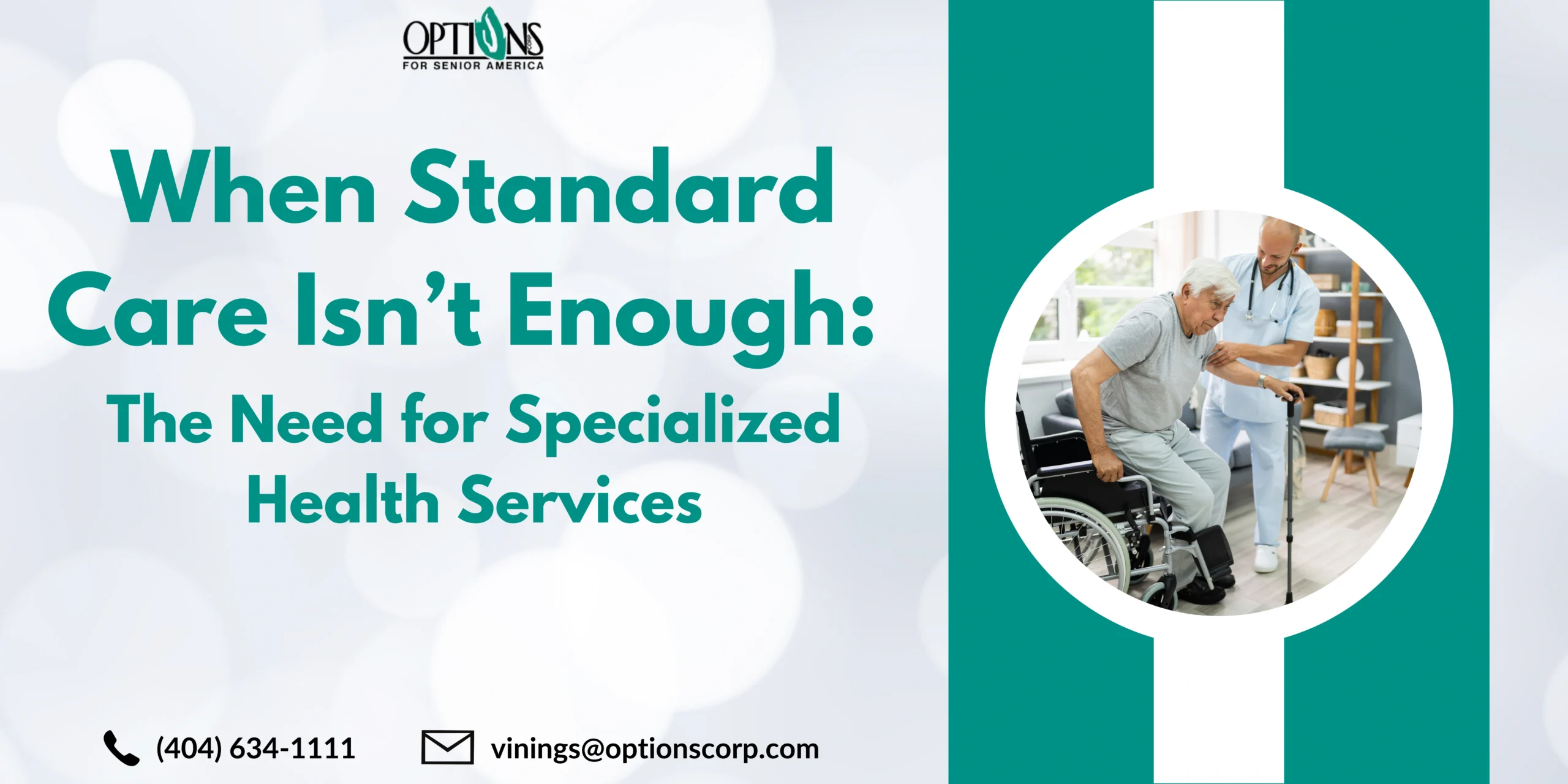
Many families start with general care options, such as home care in Atlanta, GA, or home health care services in Atlanta, because these options seem suitable for everyday support. Over time, however, needs change. Mobility issues may progress, memory problems may become more frequent, or medical conditions may require closer monitoring. When these shifts occur, standard care often struggles to keep up, making specialized health services essential.
Where Basic Support Begins to Fall Short
Basic care works well for routine assistance, but it rarely addresses complex health needs. Conditions such as dementia, chronic illness, neurological changes, or recovery after an injury often demand more than simple daily support. For example, someone recently discharged from the hospital might need structured mobility assistance. Similarly, a veteran may require guidance, similar to that in veterans’ health care, when navigating long-term symptoms or pain.
As needs grow, families who began with home care of Atlanta often notice that the current level of support no longer fits. These gradual changes highlight why specialized health services are usually a safer and more practical option.
How to Recognize When Needs Go Beyond Routine Care
Many families notice minor early signs that indicate the need for more focused care. These signs often include:
- Frequent confusion or disorientation
- Higher fall risks due to mobility changes
- Difficulty managing medications
- New or unpredictable behavioral shifts
- Increased caregiver stress or fatigue
- Daily routines are becoming harder to manage.
Situations like these show that even consistent options such as 24-hour home care may not be enough. When routine tasks become safety concerns, specialized care is the better fit.
Ways Specialized Health Services Improve Daily Stability
Specialized health services offer a stronger level of structure and safety. Trained caregivers use condition-specific methods to support individuals who need more than general assistance. This approach helps prevent falls, reduce confusion, and maintain stability throughout the day.
For example, individuals with long-term conditions benefit from daily routines tailored to their health needs. Veterans navigating complex medical challenges may require targeted help similar to home health care for veterans or deeper supervision comparable to veterans’ hospice care. In these cases, specialized support provides strategies that general home care rarely covers.
Families often feel immediate relief once specialized care begins. There is less pressure on family members, and the person receiving care generally feels more supported and secure.
Selecting the Care Option That Matches Specific Needs
Choosing the right level of care depends on the individual’s health situation. Below are service options that help address specific challenges:
Live-In Care
This option provides full-time support for individuals needing constant monitoring. It is often recommended for those with higher safety risks or complex routines.
Service link: Live In Care
Veterans Care
Veterans often require services aligned with their long-term health conditions or benefits programs.
Service link: Veterans Care
Personal Care
Ideal for anyone needing help with grooming, mobility, or structured daily routines.
Service link: Personal Care
Companionship Care
Useful for individuals experiencing limited social interaction or isolation.
Service link: Companionship Care
Specialized Care
Recommended for individuals with dementia, cognitive decline, chronic illness, or advanced medical needs.
Service link: Specialized Care
A Practical Step Families Can Take Right Now
Many families feel unsure when deciding whether to shift from standard care. One practical step is to schedule a care assessment. This helps identify gaps, safety concerns, and long-term needs. Speaking with a care coordinator often brings clarity and makes the next step easier to plan.
Planning for Evolving Long-Term Needs
Planning makes a significant difference. With specialized health services, families can stay ahead of changes rather than react in emergencies. This approach is essential for individuals with progressive conditions, chronic illness, or long-term recovery needs.