
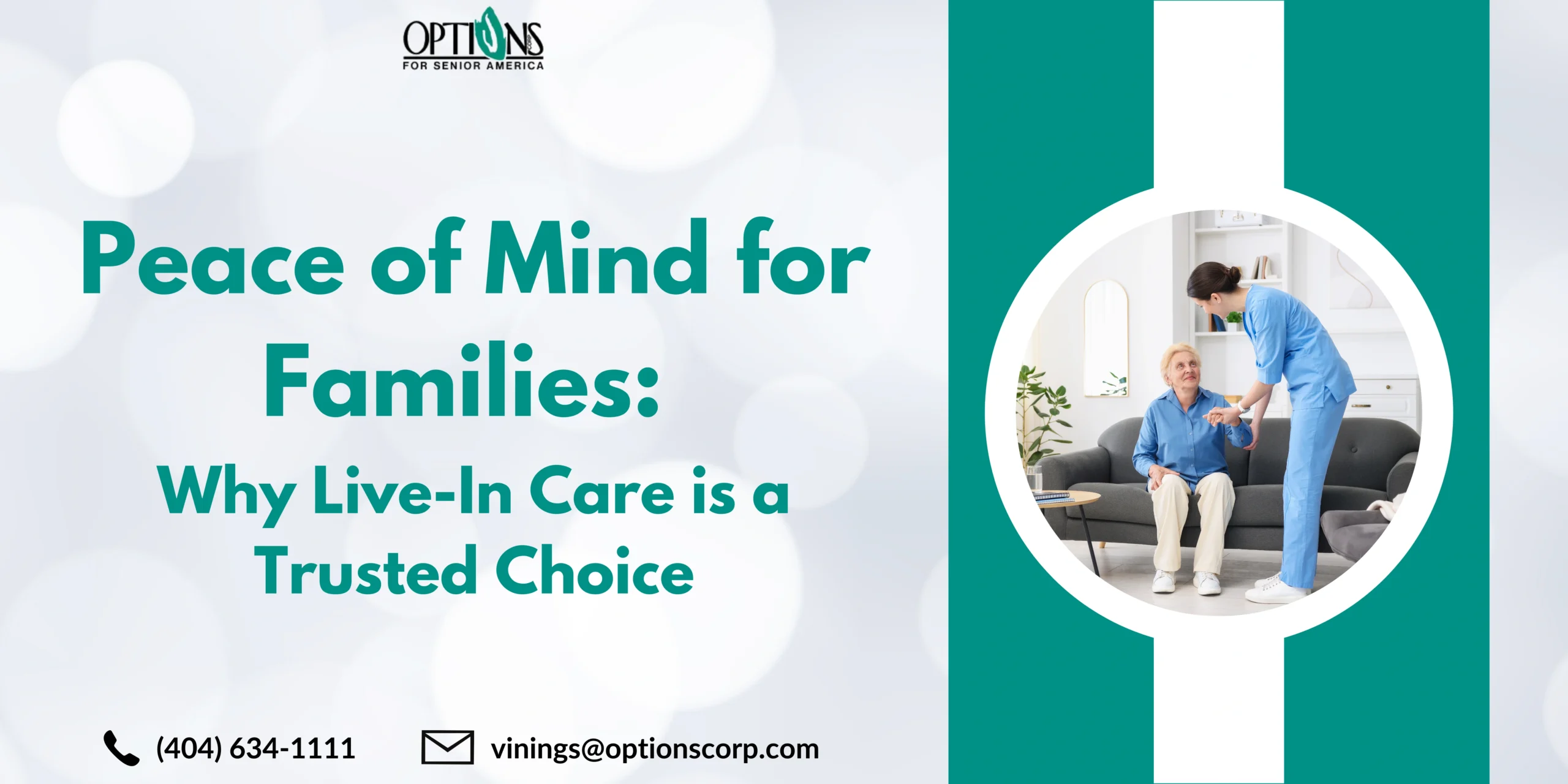
When a loved one needs full-time support, it’s natural for families to worry about safety, health, and daily routines. You want them protected, but also comfortable. That’s where live in care comes in. With a caregiver always present, it offers the stability families need without moving anyone away from home.
This blog explains why live-in care has become the go-to choice for many families. You’ll also see how it compares to other care options, what services it includes, and why it often provides peace of mind when nothing else can.
Understanding the Concept of Live-In Care
Live in care means a caregiver resides in the home with the person needing support. This arrangement ensures consistent help with bathing, meals, medication reminders, and mobility. It also brings emotional support and companionship throughout the day and night.
For older adults or individuals with long-term conditions, 24 hour home care makes daily living safer and more manageable. You don’t have to juggle multiple schedules or worry about who’s checking in next.
Key Motivators Behind Choosing Live-In Support
Let’s break down why more families are turning to this type of care:
- Always-on help improves safety
A caregiver is available at all hours. Whether assisting with late-night mobility or addressing sudden health needs, this constant presence adds serious peace of mind. - Familiar spaces promote emotional balance
Staying home preserves routines and reduces stress, especially important for individuals with dementia or anxiety. - It reduces caregiver burnout
Family members can shift from full-time helpers to being present, rested companions. Everyone benefits. - It’s often more affordable long-term
Compared to facility-based care, live-in arrangements avoid the high overhead of institutional settings. - Support is personalized and adaptable
Services adjust as needs change, whether personal hygiene, mobility, or specialized support is required. Many families also integrate specialized care or personal care into their plan.
Who’s the Ideal Candidate for Live-In Help?
Live in assistance supports those who:
- Need ongoing help with daily activities
- Live alone and have memory or mobility issues
- Are recovering from illness or surgery
- Want to remain at home with support
- Are military veterans qualifying for veterans care
This kind of help is ideal when safety, consistency, and comfort are top priorities.
What Does a Live-In Caregiver Actually Do?
Here’s what a typical day might include:
- Bathing, grooming, and dressing
- Medication reminders and health monitoring
- Cooking, laundry, and light cleaning
- Help with walking, toileting, or transfers
- Emotional support and companionship
Some caregivers specialize in dementia care or chronic condition support. Others provide lighter assistance for those still fairly independent. Agencies also offer 24 hour in home caregivers if more advanced monitoring is needed.
How Live-In Care Stacks Up to Alternatives
| Type of Support | Live-In Care | Hourly Home Care | Assisted Living |
| Full-day coverage | ✔️ Yes | ❌ Limited hours | ❌ Shared staffing |
| One-on-one attention | ✔️ Consistent caregiver | ✔️ Rotating caregivers | ❌ Group setting |
| Emotional familiarity | ✔️ Home environment | ✔️ In-home | ❌ Institutional feel |
| Custom care routines | ✔️ Flexible and personal | ✔️ Scheduled blocks | ❌ Standardized |
| Caregiver lives on-site | ✔️ Yes | ❌ No | ❌ No |
Live in care offers a unique blend of continuity and personal support that other models often lack.
Signs That It’s Time for 24-Hour Assistance
Not sure when to make the shift? Look out for these signs:
- Frequent falls or mobility struggles
- Missed medications or medical appointments
- Social withdrawal or signs of isolation
- Ongoing confusion or memory issues
- Family caregivers showing signs of burnout
Noticing these signs? It might be time to explore your options. 24 hour care at home for elderly adults can help prevent bigger problems down the road.
Why Families Turn to Options for Senior America?
Families across Georgia turn to Options for Senior America for dependable and caring live-in support. Their experienced team ensures each person receives one-on-one attention tailored to their specific needs.
Want to know more about what families think? View their Google Business Profile to see location info, testimonials, and business hours.
Ready to Start? Consider Live-In Care Today
There’s no shame in needing help. In fact, families thrive when the right support is in place. With 24 hr home health care, your loved one gets the attention they deserve, while you gain back peace of mind.
To get started, visit the client website and get started with live-in care planning. A safe, consistent, and personalized care option is just a click away.
Frequently Asked Questions (FAQs)
What is the difference between live-in care and 24-hour care?
Live-in care involves one caregiver staying in the home and taking breaks during the day and night. 24-hour care uses rotating shifts of caregivers to ensure full supervision without interruption.
Can live-in care help with dementia or memory loss?
Yes. Many caregivers are trained to handle dementia-related challenges, providing routines, safety monitoring, and emotional reassurance.
How do I know if my parent is ready for live-in care?
If you’ve noticed falls, confusion, skipped medications, or if caregiving is affecting your own health, it may be time to explore live-in options.